
Veterinary Books Cleanup Clean books for your clinic before the return
Steven Palmieri, Tax CFO, the Entrepreneur's CFO.
We pull the visit, the groom, the medicine, and the shelf item onto their own lines, set payroll up on the company you already chose, and close the month before the return opens.
Clean the clinic books
 You will be talking to the Steven Palmieri practice.

Cleanup sorts last year's afternoons. A Tax CFO sets the register so this year sorts itself.
A cleanup pulls the visit, the groom, the medicine, and the shelf item out of a year of afternoons. The Tax CFO sets the practice software to post them apart from now on, closes the month on a day, and reads the groom margin and the pharmacy margin before the return, because a clinic that knows which of the four pays the rent decides differently.
Who closes the month.
We close clinic months with Steven Palmieri and prepare the return from those months, in one practice. Nothing is handed between firms.
Six months a clinic feels
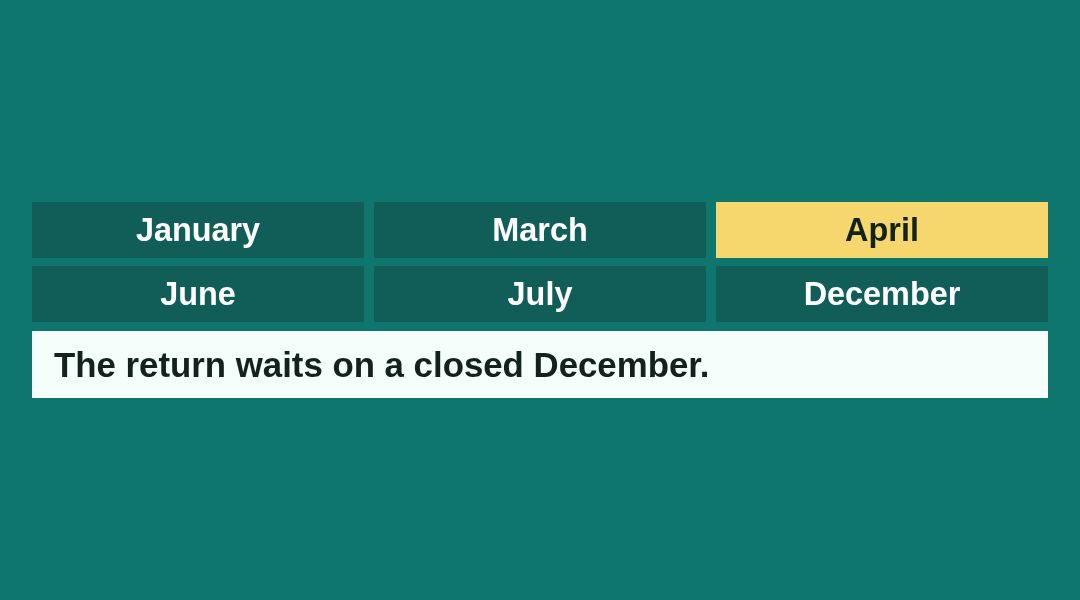
Open a month. The note under it is the filing a clinic ticket usually meets that month.
1January
Last year's tickets still have to land as four totals before a return is drafted. A visit, a groom, a medicine, and a shelf item each keep a total of their own.
We sort those four totals from the Saturdays you saved. You tell us which Saturday still has an open note.
2March
A relief clinician paid during the year may need an information return once the payments cross the federal line. The pay date is what the form follows, not the day the shift was worked.
We list the pay dates. You tell us whether that clinician was on payroll or paid as a contractor.
3April
The return waits on a year whose months have been closed. An open December is a draft, and a draft is not a figure the return can use.
We hold the draft until December ties to the bank. You say when that month can close.
4June
Business miles dated January through June 2026 use 72.5 cents. That half is IR-2025-128 and Notice 2026-10, on the Internal Revenue Service mileage page.
We apply 72.5 cents only to miles dated in that half. You keep the log that shows the date.
5July
Business miles dated July through December 2026 use 76 cents. Announcement 2026-11, in IR-2026-29, reset the rate on July 1. The first half stays at 72.5 cents.
We switch the rate on the July miles. You do not rebuild the log for January through June.
6December
Equipment the clinic wants to name for this tax year has to be placed in service before the year ends. Revenue Procedure 2025-32 is the page that states the ceilings for a tax year beginning in 2026.
We list what was placed in service. You decide what can still be bought before the year turns.
The groom is not the visit
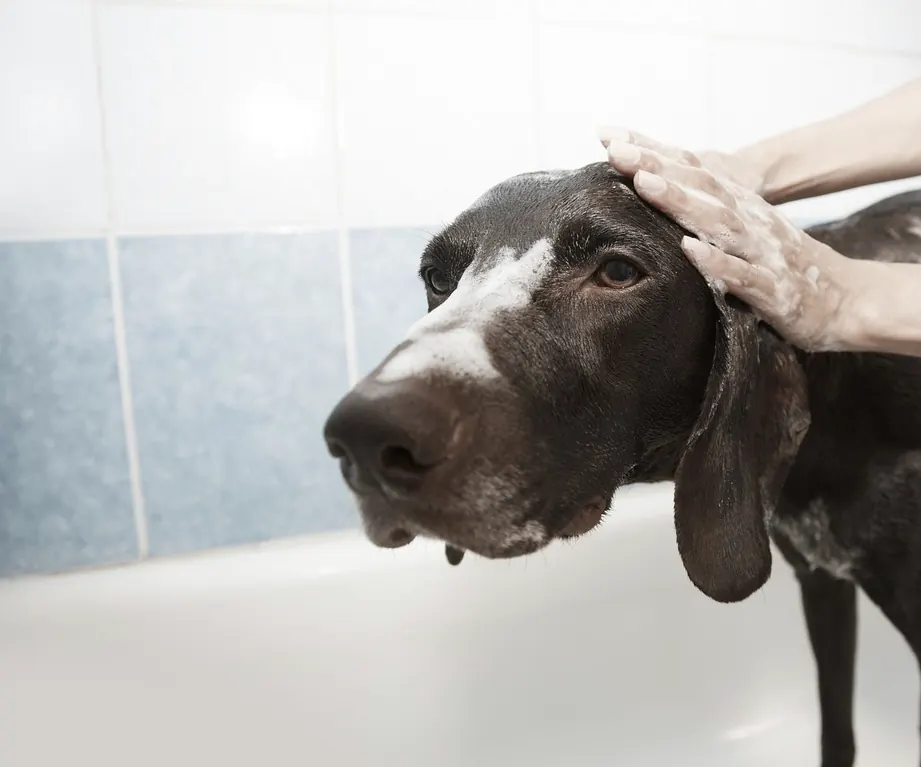
A bath on the same afternoon as an exam still needs a line of its own before income is totaled.
Click to see the split ›Tap to see the split ›
Labeled bottles are the shelf
A bottle with a label is goods until a note says it left as medicine. The exam stays its own charge.
Click to see the shelf ›Tap to see the shelf ›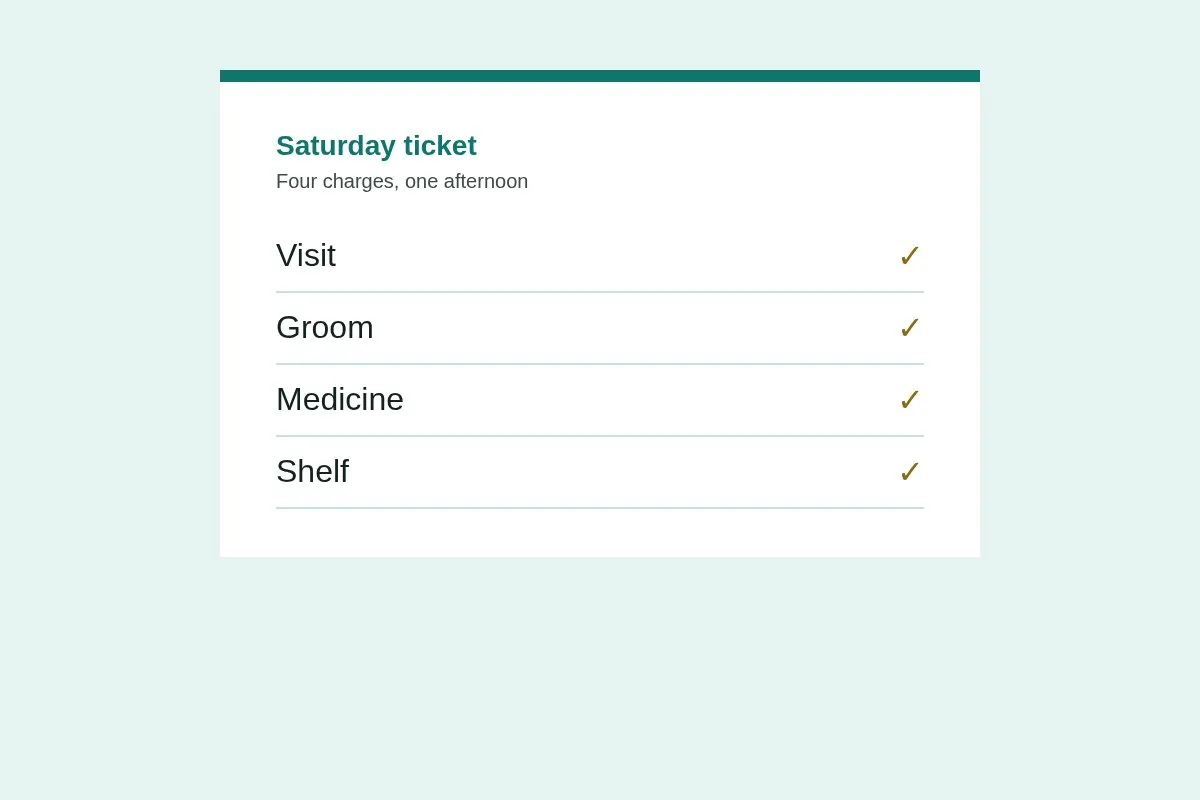
One Saturday, four lines
A visit, a groom, a medicine, and something from the shelf can share one afternoon.
Click to see the ticket ›Tap to see the ticket ›Relief pay has a form
Pay a relief clinician this year and the federal information return may follow the pay date.
Click to see the form ›Tap to see the form ›Miles change in July
The 2026 business mileage rate steps up on July 1. The log does not start over.
Click to see the rates ›Tap to see the rates ›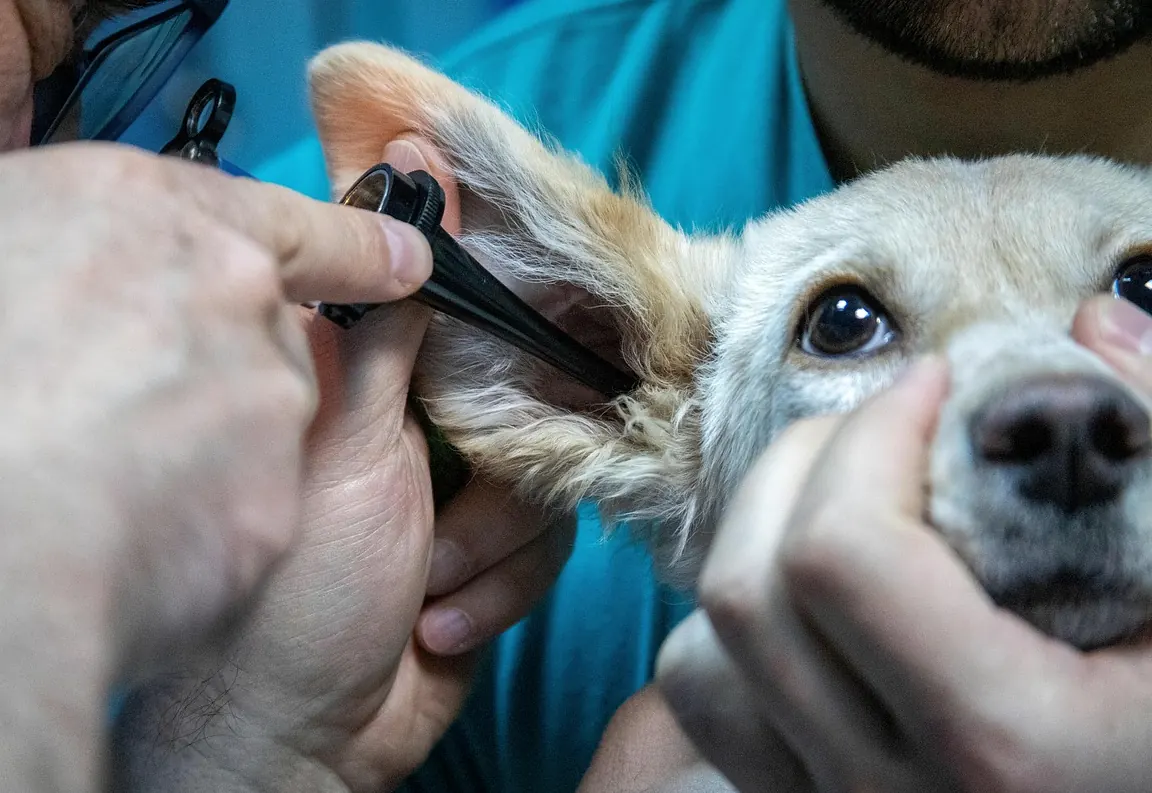
The ear exam is the visit
We read that ear exam with Steven Palmieri, Tax CFO and the Entrepreneur's CFO.
Click to meet the practice ›Tap to meet the practice ›Why a ticket has four charges
A clinic Saturday rarely is one kind of work. The animal is examined. Someone bathes the animal or trims nails. A medicine goes home. A carrier, a leash, or a bag of food leaves with the owner. Each event can carry its own price on the ticket. Put on one income line, they look like one kind of revenue, and every report after that copies the mistake. Most clinic books still show that Saturday as one line, and the same pile returns the next year when the register never posted the four apart.
Keeping the four charges apart does not depend on which state the clinic sits in. The visit is the professional work. The groom is a service of its own, and many states tax it when they do not tax the exam. The medicine follows whatever rule that state uses for a drug that left with a prescription note, which is often a different rule from a bottle sold off the shelf with no note. The shelf item is goods. Goods have a cost, and they are the line a sales tax return is most likely to ask about.
A percentage for sales tax does not belong on these pages, because the state that publishes the list can change it. The list of what is taxable is published by the state where the clinic sits. What we can do from any state is keep the four charges apart, with the date, so the person who prepares that state's return is not guessing which part of a Saturday was which.
The four-line ticket on the home page is a drawing we made. It shows a visit, a groom, a medicine, and a shelf item. It is not a photo of a clinic, and it does not carry a client's total. If your Saturday had three charges instead of four, the same habit still applies. Name each one. Do not let the last one inherit the code of the first.
What a clean month has in it
We call a month closed only after the tickets, the deposits, and the unearned balance all agree. Every ticket from that month has been split into the charges it actually contained. Every bank deposit has been tied to those tickets and to the fee the card processor kept. Money collected for care that has not happened yet is still sitting as unearned, not as income.
The processor is the piece that fools a busy Saturday. The ticket says the owner paid the full charge. The bank shows a smaller deposit, because the processor kept a fee. Those two numbers are not meant to equal each other. The fee is its own expense. Book the deposit as if it were the income, and the clinic understates both the charge and the fee by the same amount. Where a state taxes the charge, the sales tax return then starts from the short number.
We reconcile that loop before we call the month closed. The bank feed, if the clinic uses one, is a list of deposits and fees. It is not a close. A feed that has been accepted without a ticket behind it is how a groom disappears into medical income for a whole quarter.
Once the month is closed, it stays closed. A later question about a Saturday gets answered in the next open month, or it gets disclosed as a correction. We do not quietly edit a month a return has already used.
Payroll is set up, then the clinic runs it
Payroll on this address is setup. We help put employees, rates, and the tax deposits the provider will carry onto the payroll provider the clinic already uses. After that, the provider runs payday. We do not hold the clinic's payroll cash, we do not issue the pay, and we do not become the company that files the payroll returns.
A relief clinician is the usual fork. If the clinic treats that person as an employee, the pay belongs on the payroll provider, with the withholdings that provider is set up to take. If the clinic pays that person as a contractor, the pay stays off payroll and the information return rules further down this page, and on the questions page, are the ones to read. The word on a name badge is not what we use to sort the pay. The way the clinic actually pays is what we need to hear.
Setup includes the boring pieces that hurt later when they are skipped. A new hire's form is in the file before the first payday. A rate change is dated. A departure is dated. Tips, if the clinic has them, are not left in a notebook. None of that is us running the payroll. It is the clinic's provider having a file that matches the people who worked.
A plan payment is unearned until the visit
Wellness plans and prepaid packs collect cash before the care is given. Until the visit happens, that cash stays a balance the clinic still owes, in care. When the visit happens, that portion can move to income, on the line that matches the care, rather than a generic plan line that hides whether the day was a visit or a groom.
The failure mode is a December that looks wonderful because a year of plans was billed in November, and a January that looks empty because the visits are finally happening and the income was already counted. The return then tells a story the appointments do not support. We leave the unearned balance visible until the visits occur.
If a plan is refunded, the refund reduces that balance, or it reduces income already recognized, depending on whether the visit happened. We do not net the refund against a different Saturday's medical charge. The ticket that was refunded is the ticket we touch.
Miles, equipment, and the federal pages
Two federal figures belong on a clinic year, and both of them change often enough that this page names the document rather than asking you to remember last year's number.
Business miles in 2026 have two rates because the Service reset the rate at midyear. A mile dated on or before June 30 uses 72.5 cents. A mile dated on or after July 1 uses 76 cents. The first half is IR-2025-128 and Notice 2026-10. The second half is IR-2026-29 and Announcement 2026-11. Charity miles stay at 14 cents all year. Medical miles, and moving miles for the people who may use them, are 20.5 cents in the first half and 23.5 cents in the second. The table is the standard mileage rates page. A farm call on June 30 and a farm call on July 1 are different rates even when the clinic and the road are the same. We do not blend the two rates into one yearly average.
For a tax year that begins in 2026, Revenue Procedure 2025-32 states a section 179 expense limit of $2,560,000. The limit phases down, dollar for dollar, once section 179 property placed in service that year costs more than $4,090,000. A sport utility vehicle has a separate cap of $32,000 for that year. The equipment has to be placed in service in the year the clinic wants to name. A delivery in January belongs to the next year. We will not quote a ceiling from memory when the procedure is the page that has it.
Publication 925 is the other page a clinic owner eventually meets. Veterinary services are named inside the health group of personal service activities. One test for material participation is more than 500 hours in the year. Another is that the person materially participated in a personal service activity for any three prior years. The publication lists more tests than those two. Picking which test fits is a conversation about hours you can show, not a choice this page makes for you. The publication is the source, and the hours are something you can show.
What this practice will not sign
A bank letter sometimes asks for an attest report. That request leaves this practice. An audit report, a review report, and a compilation report are the ones we hand off. Disclosures lists each report we hand off. On a first call we say so, and we name the kind of firm that can sign the letter, and then we step aside. The monthly close, the statements, payroll setup, and a return from closed months are the work we keep.
We also do not represent a clinic in front of a revenue agent. If an agent opens a file, that work belongs with someone engaged for it. We can still put the four charges, the deposits, and the closed months into one folder so the papers are easy to find.
Nothing here is veterinary medicine. What we call a ticket is the prices from one afternoon. A clinic that reads this address has not hired us. Nothing is underway until a signed letter states the months we will touch and the fee for those months.
Bring one Saturday
You will be talking to the Steven Palmieri practice.